
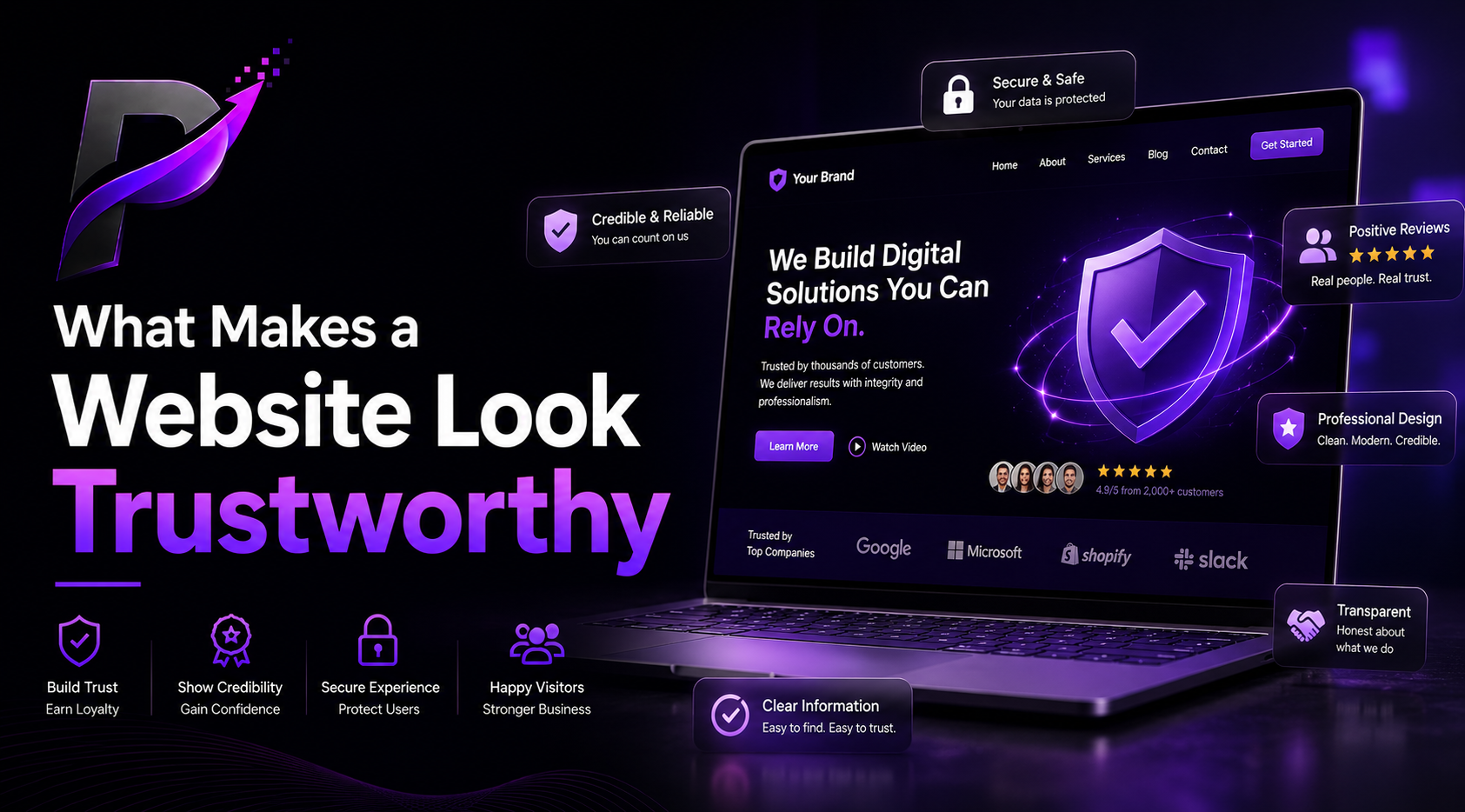
In today’s digital world, your website is often the first interaction customers have with your business. Before contacting you, buying a product, or requesting a service, visitors quickly judge whether your website feels trustworthy. These decisions happen within seconds.
People naturally hesitate before sharing personal information, making payments, or contacting unfamiliar businesses online. Even if your products or services are excellent, a website that appears unprofessional or unreliable can drive potential customers away.
Trust has become one of the most important factors in online success. A trustworthy website builds confidence, improves engagement, and increases conversion rates.
Why Website Trust Matters
Visitors constantly evaluate whether a business appears credible.
Before taking action, users often ask themselves:
- Is this business real?
- Can I trust this website?
- Is my information safe?
- Does this company look professional?
If customers feel uncertain, they usually leave and explore alternatives.
Trust reduces hesitation and helps customers move forward.
Professional Design Creates Strong First Impressions
Website design strongly influences trust.
People form opinions very quickly based on appearance.
Important design elements include:
- Clean layout
- Consistent colors
- Readable fonts
- Professional images
- Balanced spacing
- Organized structure
A cluttered or outdated design often creates doubts.
Simple and modern websites feel more reliable.
Fast Loading Speed Builds Confidence
Slow websites create frustration and uncertainty.
Visitors expect pages to load quickly. Delays can make websites feel poorly maintained or unreliable.
Common speed problems include:
- Large images
- Excessive plugins
- Poor hosting
- Unoptimized code
Fast websites improve user experience and engagement.
People associate smooth performance with professionalism.
Secure Websites Increase Trust
Security is a major concern for online users.
Visitors want reassurance that their information remains safe.
Trust signals include:
- HTTPS security
- SSL certificates
- Secure payment systems
- Privacy policies
- Terms and conditions pages
Web browsers often warn users about insecure websites.
Security directly affects customer confidence.
Customer Reviews and Testimonials Matter
People trust other people.
Customer feedback acts as social proof and helps reduce uncertainty.
Useful trust elements include:
- Customer reviews
- Testimonials
- Ratings
- Success stories
- Case studies
Real experiences often influence decisions more than advertising claims.
Positive reviews strengthen credibility.
Clear Contact Information Improves Transparency
Visitors expect businesses to provide accessible contact details.
Trust increases when websites include:
- Phone numbers
- Email addresses
- Physical addresses
- Contact forms
- Business hours
Missing contact information creates suspicion.
People prefer businesses that appear transparent and reachable.
Quality Content Builds Authority
Content quality influences how users perceive a business.
Helpful and well-written content demonstrates expertise.
Strong website content should be:
- Informative
- Clear
- Easy to understand
- Helpful
- Relevant
Grammar mistakes, poor formatting, or weak information can reduce trust.
Useful content builds authority over time.
Mobile-Friendly Design Improves Experience
Many users access websites through smartphones.
Websites that function poorly on mobile devices can reduce confidence.
Mobile optimization includes:
- Responsive layouts
- Readable text
- Fast loading
- Easy navigation
- Proper button spacing
Visitors expect smooth experiences across devices.
Trust Badges and Certifications Help
Businesses often display trust badges to reassure customers.
Examples include:
- Payment security icons
- Industry certifications
- Verified partnerships
- Awards
- Professional memberships
These visual indicators create confidence.
Conclusion
Trustworthy websites help businesses build credibility, improve customer relationships, and increase conversions. Design, security, content quality, customer reviews, and transparency all contribute to how visitors perceive a business.
A website does not need flashy animations or endless visual effects to appear reliable. Humans usually just want proof that a business exists, functions properly, and was not assembled at 2:00 AM by someone who believes twelve pop-ups communicate professionalism.
Leave a Reply